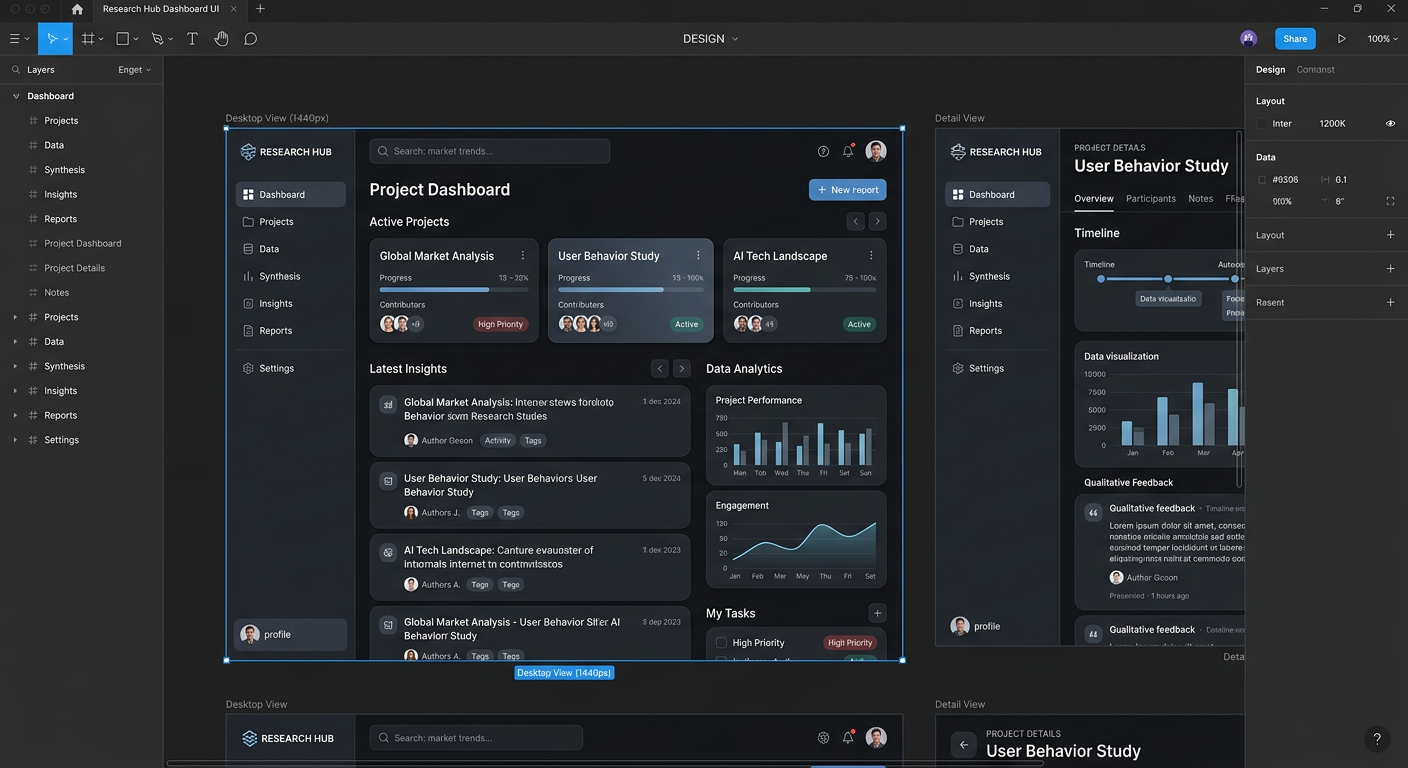
Turning research into infrastructure
The Challenge
Research existed everywhere and connected nowhere. User interviews lived in one tool, analytics in another, and feedback from live products rarely made it back to the teams designing the next iteration. Insight was being generated constantly, it just wasn't compounding.
The challenge was to stop treating research as a series of one-off studies and start treating it as a living system: something that fed design decisions, product strategy and, increasingly, the tools doing the designing.
The scale of it became concrete when we ran a structured survey across the trading floor: 86 people, every tenure band represented. Over half were juggling seven or more tools a day and losing fifteen to thirty-plus minutes daily just switching between them; nearly nine in ten reported real mental fatigue from the tooling itself. None of that was actionable while it lived in a spreadsheet nobody revisited.

Closing the feedback loop
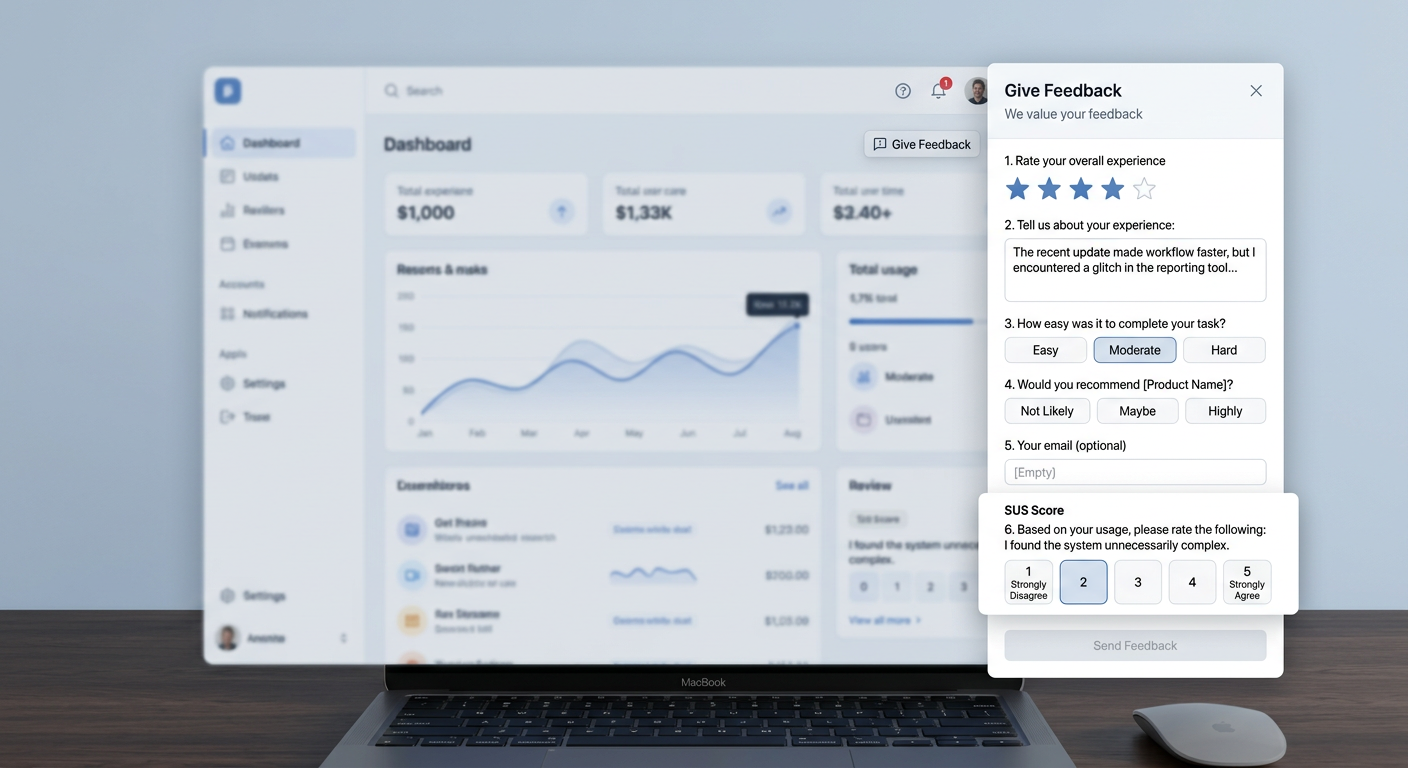
User feedback couldn't stay a one-way channel, collected, reported, forgotten. We built loops where feedback from live products flowed back into research and design in weeks, not quarters, so teams were designing against what was actually happening, not what they'd assumed six months earlier. Access and onboarding turned out to be the single worst-rated area in that same survey — the kind of gap that's easy to miss from dashboards alone, and only surfaces when you ask people directly.
Analytics as a research signal
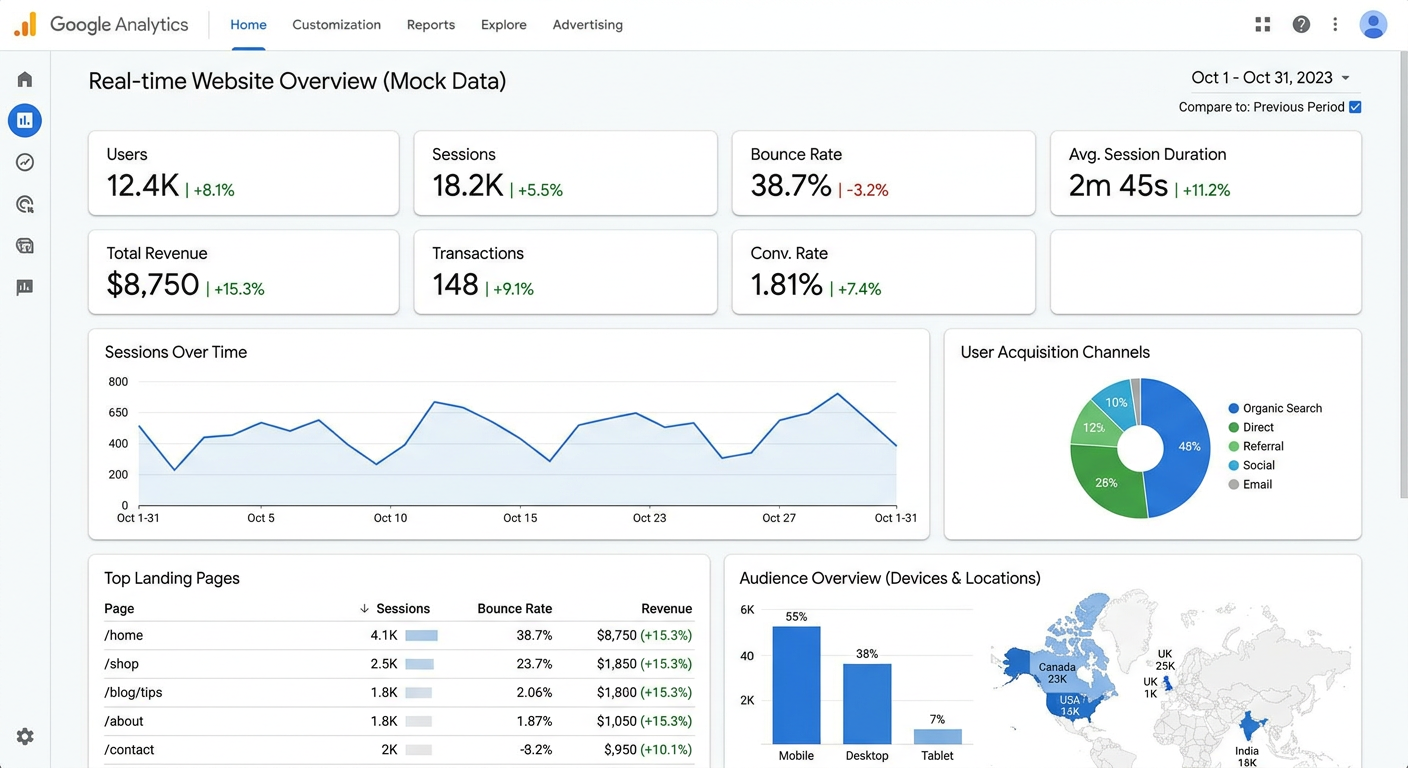
Analytics told us what people did; research told us why. Treated separately, they contradicted each other constantly. We started reading them together, behavioural data setting the questions research needed to answer, and research explaining the anomalies analytics couldn't. Usage data alone said tools were being adopted. The survey said adoption wasn't the same as it working: most people rated the tools comfortably learnable, far fewer rated them well-designed for daily use. That gap between "I can use it" and "it's good" only shows up when the two signals sit side by side.
One intelligent research hub
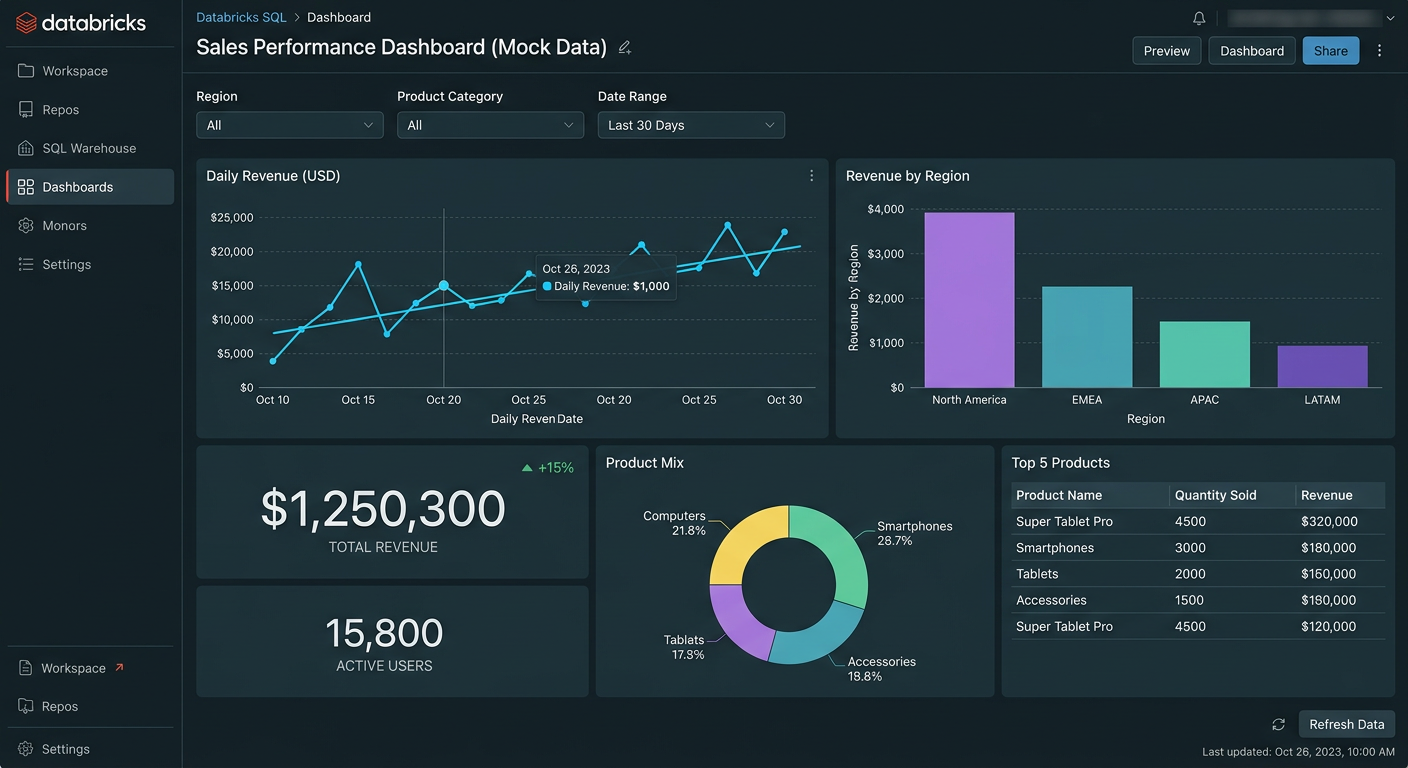
Findings were scattered across decks, docs and tribal memory — rediscovered, not reused. We consolidated it into a single structured hub: tagged, searchable, and built so a finding from eighteen months ago could resurface exactly when a team needed it. It lives in a version-controlled repository rather than a deck, with a direct line through to the team's data warehouse — so a finding is queryable, not just stored.
Feeding the AI infrastructure
That structure is what made research usable by AI tools, not just people. Once findings had consistent tags and structure, they became context an AI system could actually query — connecting research directly to the design system and, from there, to how products get built. The appetite was already there before the infrastructure existed — the same survey found roughly seven in ten people already using AI tools off their own initiative, with strong demand for more configurable, personalised tooling. This wasn't a bet on future interest; it was catching up to behaviour that had already started.